
What “Play-Based Learning” Really Means (and What It Looks Like Day to Day)
If you’re touring daycare in Ann Arbor, you’ll hear “play-based learning” a lot. It’s one of the most common phrases in early childhood education, but it can also feel a little unclear.
Parents often wonder:
Does “play-based” mean the classroom is unstructured?
How do kids learn real skills if they’re mostly playing?
What does a good play-based day actually look like?
The short answer is that play-based learning is not “just playing.” When it’s done well, it’s a thoughtful approach that supports academic foundations, social-emotional growth, and confidence through hands-on experiences.
This post breaks down what play-based learning really is, what it looks like in practice, and what to look for when comparing programs.
Play-based learning is not the same thing as free play
Free play matters. Children need time to explore, imagine, and choose. But play-based learning goes further.
In a strong play-based classroom:
the environment is intentionally designed
teachers plan activities around developmental goals
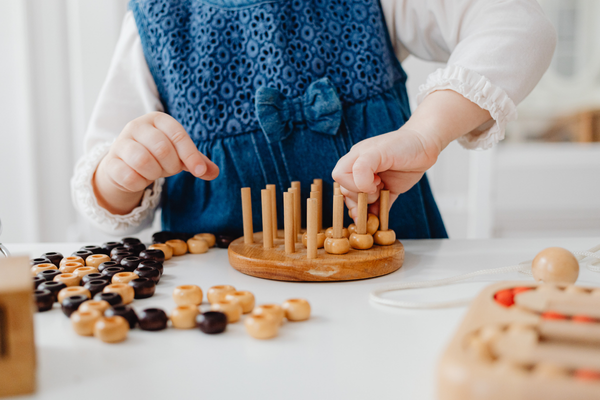
children learn through real materials and real interactions
teachers guide, model, and extend learning during play
So yes, kids are playing. But the classroom is structured in a way that makes that play meaningful.
You can see how we approach this overall on Our Approach and explore our classroom foundations on Curriculum.
Why play is such a powerful learning tool in early childhood
Young children learn differently than older children. A toddler or preschooler doesn’t learn best by sitting still and listening for long periods.
They learn best by:
doing
touching
building
moving
repeating
experimenting
interacting with other children and adults
Play gives them a natural way to practice skills again and again without pressure.
That repetition is exactly how learning becomes real.
What children learn through play (the skills parents care about)
Play-based learning supports the same outcomes parents often look for when they say “I want my child to be ready.”
Here are a few examples:
Early language and literacy
Children build literacy foundations through:
reading books with teachers
storytelling and dramatic play
singing songs and rhyming
using new vocabulary during play
answering questions and describing what they’re doing
These skills matter long before a child can read independently. That’s why routines like story time, conversation, and group activities are so important in early learning.
Early math and problem-solving
Math for young children is not worksheets. It’s real-world thinking:
sorting by color, shape, or size
counting objects while building
comparing “more” and “less”
noticing patterns
measuring and estimating during play
When children build towers, pour water, and organize materials, they’re building early math skills in a way that sticks.
Fine and gross motor development
Play supports:
hand strength and coordination (cutting, painting, building)
balance and body control (climbing, jumping, moving)
coordination and planning (obstacle courses, group games)
This is one reason outdoor play and hands-on classroom materials matter so much. See examples of what children do each day on Activities, and how outdoor spaces support development on Natural Playground.
Social-emotional growth
One of the biggest benefits of play-based learning is social development. Through play, children practice:
sharing and taking turns
managing frustration
negotiating with peers
building empathy
repairing after conflict
These are life skills, and they’re core to school readiness.
What play-based learning looks like in a daycare classroom
If you’re touring programs and want to visualize “play-based learning,” here are some common classroom experiences and what they build.
Sensory play
Sensory play can look like:
water play
sand or scooping materials
textured art materials
play dough or clay
What it builds:
focus and regulation
fine motor skills
vocabulary (wet, dry, heavy, light)
curiosity and experimentation
Dramatic play
Pretend play is not “just cute.” It builds:
language and communication
social negotiation skills
creativity and flexible thinking
emotional processing
A daycare classroom might use pretend kitchens, baby dolls, dress-up, or real-life themes like “grocery store” or “doctor.”
Art and creative projects
Process-based art supports:
hand-eye coordination
planning and persistence
creativity and confidence
early writing muscles
The goal is not perfect crafts. It’s exploration and expression.
Small-group learning
Play-based classrooms still include teacher-guided learning. It’s often done in short, developmentally appropriate bursts:
story time with discussion
simple science experiments
music and movement
group games that teach listening and turn-taking
This is part of how children learn to participate in group routines without pressure.
To see how our day is structured by age, visit Programs.
What to look for on a tour if a program says “play-based”
Here are a few signals that tell you whether play-based learning is truly intentional:
Teachers are engaged, not just supervising from a distance
The room is organized with inviting learning areas
Activities match the age group (not one-size-fits-all)
Children are guided through routines calmly and consistently
Teachers talk with children during play and extend learning
If you want a checklist for tours, you might also like Daycare Tour Questions: What to Ask and What to Look For.
Why play-based learning supports “readiness” without pushing kids too early
Many parents worry about kindergarten readiness. Play-based learning supports readiness by developing the real building blocks children need:
confidence and independence
communication
self-regulation
persistence
curiosity
comfort with routines
Those skills matter more than early academic drilling, and they’re best built through meaningful, consistent experiences.
Looking for a play-based daycare in Ann Arbor?
If you’re exploring daycare in Ann Arbor and want a program that balances warmth, structure, and developmentally appropriate learning, we’d love to meet you.
Explore our philosophy on Our Approach, see our classroom foundation on Curriculum, or start with Programs to see how each age group’s day is structured.
Related reading:


Comments